


To prepare for your ear wax removal appointment, apply medical-grade olive oil or softening drops 2 to 3 times a day for 3 to 7 days beforehand. Avoid cotton swabs or ear candles entirely. Tell your clinician about any history of perforated eardrums, ear infections, or ear surgery.
The steps below cover everything you need to know to make your appointment quicker, more comfortable, and far less likely to need a repeat visit.
Table of Contents
Why Preparation Matters More Than You Think

Dry, hardened ear wax is genuinely difficult to remove. It sits tight against the ear canal walls, resists suction, and can make the procedure uncomfortable where it needn’t be.
Softening the wax before you arrive changes that completely. The wax loosens, the procedure takes less time, and you are far less likely to leave with any wax still in there.
Skip the prep and you risk a second appointment. Most clinicians will simply rebook you with instructions to use drops first.
Signs You May Need Ear Wax Removal
If you are unsure whether your symptoms are wax-related, here are the most common ones seen in practice:
- Muffled hearing or a noticeable drop in sound quality
- A blocked or full feeling in one or both ears
- Mild earache without any sign of infection
- Tinnitus (ringing, buzzing, or humming in the ear)
- An itchy ear canal that does not settle on its own
These symptoms do not always mean you have excessive wax, but they are a strong starting point.
Something to Know Before You Start Using Drops
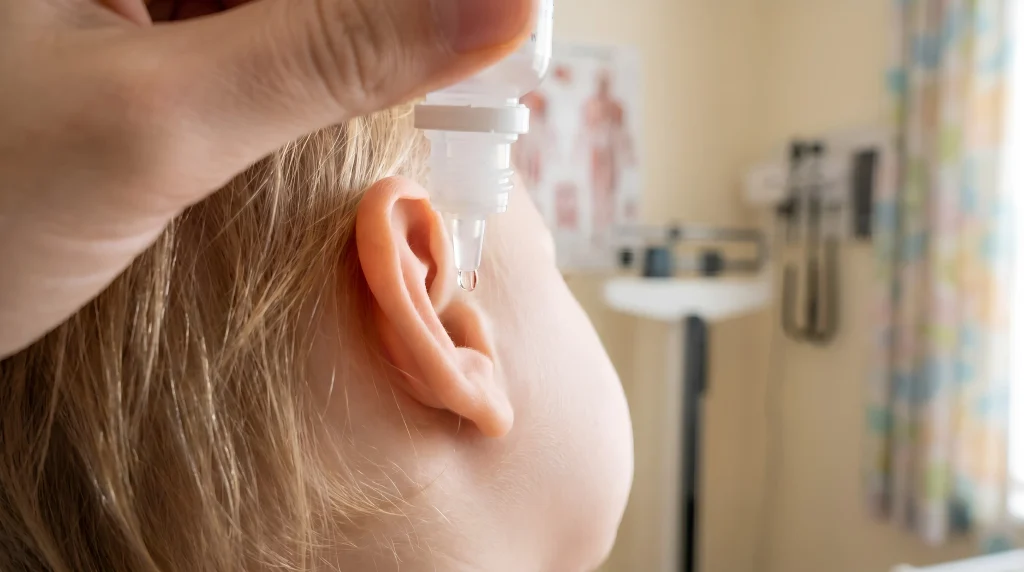
A lot of patients ring us concerned because their hearing got worse after they started using olive oil drops. This is normal and not a cause for worry.
Dry ear wax behaves like a sponge. When it absorbs the oil, it expands slightly before it starts to soften and break apart.
That temporary dip in hearing usually settles within a day or two. Keep using the drops as directed and your appointment will go much more smoothly.
What to Do Before Your Appointment
Follow these steps in the days leading up to your visit:
- Buy the right product. Use medical-grade olive oil ear drops or a proprietary softening product such as Earex or Otex. Standard cooking olive oil is not sterile and should not go in your ears.
- Apply the drops 2 to 3 times daily. Tilt your head to one side, place 2 to 3 drops into the ear canal, and stay in that position for a minute or two. Gently wiping away any overflow is fine.
- Keep this up for 3 to 7 days before your appointment. Three days is usually enough for mild blockages. Seven days is better for harder, older wax.
- Do not use more drops than advised. Flooding the ear canal does not speed things up and can cause irritation.
If you have any doubt about which product to use, ask at your pharmacy before you start.
What NOT to Do Before Your Appointment
This one matters. Cotton swabs, bobby pins, ear candles, and anything else you might think to push into the ear canal will make things worse.
Softened wax is loose. Poking at it does not clear it out; it pushes the wax further in and compacts it against the eardrum.
Ear candles carry their own risks and have no clinical evidence behind them. Leave those alone entirely.
What to Bring and Tell Your Clinician
A quick conversation before the procedure helps the clinician choose the safest method for you. Make sure you mention:
- Any history of a perforated eardrum, even if it healed years ago
- Recent ear infections in the past 6 to 12 weeks
- Previous ear surgery of any kind
- Whether you wear hearing aids (bring them with you to the appointment)
If you are on blood thinners or have a skin condition such as eczema in or around the ear canal, mention that too.
What to Expect During the Appointment

Most ear wax removal appointments last between 15 and 30 minutes. The most common method used in private clinics and pharmacies is microsuction.
The clinician uses a fine, low-pressure suction tube to draw the wax out of the ear canal. It is precise, does not involve water, and carries a very low risk of infection compared to irrigation.
You will hear a distinct noise during the procedure, somewhere between a gentle hum and a whooshing sound. It can feel slightly odd but should not be painful. If it hurts, say so immediately.
Aftercare: What to Do Once the Wax Is Out
Sounds will seem noticeably louder for a day or two. This is your ears recalibrating after being blocked. It settles quickly.
Keep your ears dry for 24 hours after the appointment. Avoid swimming or submerging your ears in the bath. The ear canal lining is slightly more exposed straight after treatment and needs time to settle.
Do not use cotton swabs to clean inside the ear after the procedure. If you feel any itching or discomfort beyond the first 48 hours, contact the clinic.
Frequently Asked Questions
Does ear wax removal hurt?
Microsuction is not painful for most people. Some find the suction sensation slightly uncomfortable, but it should not cause pain. If it does, the clinician will stop immediately.
Can I drive myself to and from the appointment?
Yes. Ear wax removal does not affect your ability to drive. You may feel slightly off-balance for a short time after the procedure, but this is rare and passes quickly.
How often should I have my ears professionally cleaned?
There is no fixed answer. Some people need it once a year; others go years without any buildup. If your symptoms keep returning every few months, ask your pharmacist or GP about a regular maintenance plan.
Is it safe to use ear drops if I have a hearing aid?
Yes, though you should take the hearing aid out before applying drops and keep it out until the ear is dry. Do not reinsert a wet hearing aid.
What happens if the wax cannot be removed in one session?
If the wax is too hard or impacted, the clinician may reschedule you after a further week of softening drops. This is common with long-standing blockages and is not a sign that anything has gone wrong.
Conclusion
Getting the preparation right takes a few days but makes a real difference to how the appointment goes. Use the right drops, use them regularly, and stay well clear of anything you might be tempted to put in your ear yourself.
Tell your clinician everything relevant about your ear history before they start. The more they know, the safer and faster the procedure.
If you are ready to book or want to check whether your symptoms are wax-related, get in touch with the pharmacy and we can point you in the right direction.